OperaDynasty: A Masterful Blend of Strategy and Artistry
In the ever-evolving landscape of gaming, OperaDynasty emerges as a shining beacon of creativity and sophistication. This exceptional game transports players into a world where the grandeur of traditional opera meets the intricate demands of strategy gaming. With its exquisite design and intricate gameplay, OperaDynasty stands as a testament to the harmonious blend of art and interactive entertainment.
Introduction to OperaDynasty
Set against the backdrop of classical opera houses and lavish theatrical productions, OperaDynasty introduces players to a captivating universe where they assume the role of impresarios, tasked with managing their own opera company. This unique premise allows for a rich narrative experience, where the drama of the stage is intertwined with the strategic planning necessary to achieve artistic success.
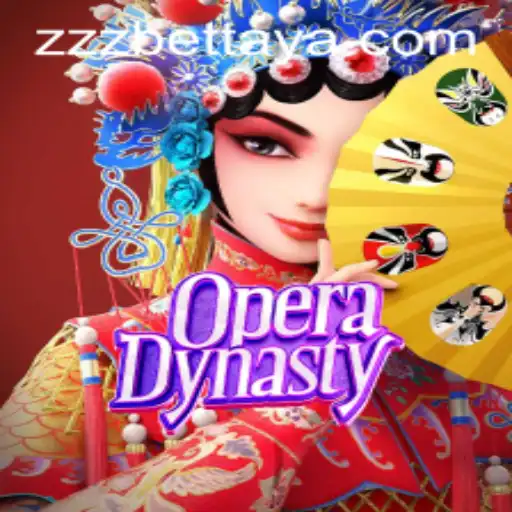
As players delve into the world of OperaDynasty, they are greeted with stunning visuals and an immersive soundscape that captures the essence of operatic performances. The game's aesthetic is meticulously crafted, drawing inspiration from the opulent costumes, grand stages, and enchanting music that define the world of opera. This attention to detail ensures that players are not only engaged with the gameplay but are also enveloped in a sensory experience reminiscent of attending a live performance.
The Mechanics of Drama and Strategy
At its core, OperaDynasty is a game of strategic decision-making, where players must carefully balance artistic integrity with financial viability. The gameplay revolves around key elements such as casting, rehearsal, performance, and management, each of which plays a crucial role in building a successful opera company.
Players begin by selecting from a roster of talented performers, each with unique skills and attributes. The casting process requires keen attention to the strengths and weaknesses of each character, ensuring that the right performers are chosen for the right roles. This decision-making process is made more complex by limited resources, pushing players to think critically about their choices.
Rehearsals are another pivotal aspect of the game, where strategic planning and effective resource management come into play. Players must allocate time and funds to prepare their cast, ensuring that each performer is primed for the stage. The rehearsal phase is where players can experiment with different strategies, adjusting their approach based on the challenges they encounter.
The climax of OperaDynasty's gameplay is the live performance, where players witness the culmination of their efforts. A successful performance requires precise timing, coordination, and adaptability as players react to unforeseen events and audience reactions. This dynamic aspect of the game adds an exhilarating layer of unpredictability, keeping players engaged and invested in the outcome.
Current Events and Trends in OperaDynasty
The launch of OperaDynasty comes at a time when the gaming industry is embracing diverse themes and innovative mechanics. As players seek richer narratives and more profound experiences, games like OperaDynasty are gaining traction for their ability to merge storytelling with interactive gameplay.
Incorporating elements of both strategy and simulation, OperaDynasty is poised to attract a wide audience, from fans of traditional strategy games to those enchanted by the arts. The game's release is particularly timely, aligning with a growing interest in niche and hybrid games that offer players something beyond conventional genres.
Moreover, the zzzbet community has shown a growing interest in OperaDynasty, recognizing its potential to offer a unique gaming experience that is both challenging and rewarding. As players from around the globe converge to share strategies and experiences, the game is becoming a focal point for discussions on the innovative use of narrative and theme in game design.
Innovative Rules and Gameplay
The rules of OperaDynasty are tailored to create an engaging yet challenging gameplay loop. Players must navigate a series of objectives that test both their strategic acumen and creativity. The game employs a turn-based system, where each turn presents new opportunities and obstacles that require careful consideration.
Resource management is a key component, with players required to allocate funds wisely across various departments, including talent acquisition, production design, and marketing. The interplay between these elements ensures that every decision made impacts the overall success of the opera company.
Additionally, OperaDynasty introduces dynamic events that can alter the course of the game. These events can range from unexpected accidents during performances to sudden shifts in audience preferences, adding a layer of realism and unpredictability that mirrors the real-world challenges faced by opera houses.
Conclusion of an Operatic Journey
OperaDynasty succeeds in crafting an experience that is as much about strategic depth as it is about artistic expression. Its intricate mechanics and beautiful presentation invite players to immerse themselves in a world where every decision contributes to the grandeur of the operatic stage. As the gaming world continues to evolve, OperaDynasty stands as a testament to the potential of games to inspire, challenge, and entertain.